






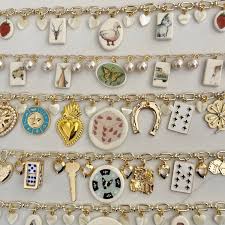
In a world obsessed with speed, scale, and software, it is easy to overlook the quiet strength of physical objects that carry history, symbolism, and emotional weight. Sagės—brooches—may seem like relics from a more formal era, but they are experiencing a subtle renaissance. For startup founders, entrepreneurs, and tech professionals, sagės are more than decorative accessories. They represent a case study in brand storytelling, heritage-driven design, and the convergence of craftsmanship with digital commerce.
The renewed interest in sagės speaks to something deeper than fashion cycles. It reflects a broader cultural shift toward individuality, sustainability, and meaningful consumption. In many ways, this small accessory mirrors the transformation happening across industries: traditional products being reimagined through technology, community, and modern business strategy.
The Cultural Legacy of Sagės
Sagės have a long and storied history across Europe and beyond. In Lithuania and other Baltic regions, brooches were historically used not only for fastening garments but also for signaling identity, marital status, and social standing. Over time, sagės evolved from functional fasteners to artistic expressions.
From the intricate Celtic designs found in Ireland to Victorian mourning brooches in Britain, the accessory has always carried layered meaning. Jewelry houses such as Cartier and Tiffany & Co. elevated brooches into symbols of refinement and luxury in the modern era. Their reinterpretations proved that heritage pieces can remain commercially viable when reimagined with contemporary aesthetics.
For entrepreneurs, the lesson is clear: longevity in any product category requires cultural relevance. Sagės endured not because they remained static, but because they adapted.
Why Sagės Are Reappearing in the Modern Market
The resurgence of sagės is closely linked to shifting consumer values. Younger buyers increasingly seek uniqueness over mass production. In a market saturated with identical fast-fashion accessories, brooches offer personalization. They can transform a minimalist blazer, elevate a scarf, or give new life to vintage clothing.
The rise of sustainability has also contributed. Consumers are investing in durable, meaningful items rather than disposable trends. Platforms like Etsy have empowered independent artisans to reach global audiences, allowing handcrafted sagės to thrive in digital storefronts.
Meanwhile, social media platforms such as Instagram have redefined visual storytelling. A well-designed brooch photographed thoughtfully can communicate craftsmanship, heritage, and personality in a single image. In this sense, sagės are highly “shareable” objects in a visual economy.
Sagės and the Entrepreneurial Mindset
For startup founders, sagės represent more than jewelry. They illustrate how niche markets can scale when supported by the right digital infrastructure. Consider the journey of a small artisan workshop. Traditionally limited to local markets, it can now sell internationally through e-commerce integrations, targeted advertising, and direct-to-consumer platforms.
The brooch category demonstrates the viability of micro-brands. A founder does not need a mass-market product to build a sustainable business. Instead, they need a clearly defined audience and compelling brand narrative.
A tech professional analyzing this space might notice parallels with SaaS models. Just as software solves specific user pain points, sagės fulfill emotional and aesthetic desires. Both require clarity of positioning and consistent value delivery.
Design Innovation: Tradition Meets Technology
Modern sagės often blend centuries-old techniques with contemporary tools. Computer-aided design allows artisans to prototype quickly, test symmetry, and experiment with complex geometries. Laser cutting and 3D printing reduce material waste and accelerate iteration.
At the same time, hand-finishing preserves authenticity. This fusion of digital precision and human craftsmanship mirrors how startups operate: leveraging automation without sacrificing creativity.
The evolution of design also broadens the target audience. Minimalist metallic shapes appeal to professionals seeking subtle elegance. Bold enamel pieces attract creatives. Tech-themed brooches, inspired by circuit patterns or abstract data visuals, resonate with engineers and digital innovators.
This convergence of design and technology shows how legacy products can remain relevant by embracing new tools.
Market Dynamics and Business Potential of Sagės
To understand the commercial opportunity, it helps to break down the ecosystem surrounding sagės. The following table illustrates key components shaping the market:
| Market Driver | Impact on Sagės Industry | Strategic Opportunity |
| E-commerce Expansion | Global reach for small brands | Direct-to-consumer scaling |
| Sustainable Consumer Trends | Increased demand for durable pieces | Ethical sourcing differentiation |
| Social Media Marketing | Visual storytelling power | Organic brand building |
| Customization Technology | Personalized design options | Premium pricing models |
| Influencer Collaborations | Rapid awareness growth | Targeted niche penetration |
For entrepreneurs, this breakdown reveals a flexible and scalable opportunity. Sagės are compact, easy to ship, and relatively low-cost to prototype. That reduces entry barriers while allowing strong brand differentiation.
Branding Through Symbolism
One reason sagės remain powerful is their symbolic potential. A brooch can represent a cause, commemorate an event, or communicate affiliation. Political campaigns, corporate conferences, and advocacy movements often use pins to reinforce identity.
Organizations such as United Nations frequently employ lapel pins as symbols of diplomacy and recognition. These small items reinforce belonging and authority without words.
For startups, incorporating symbolic accessories into branding strategies can deepen emotional connection. Limited-edition brooches celebrating milestones or community achievements can transform customers into ambassadors.
Sagės in Professional and Tech Environments
In corporate and tech spaces, dress codes have relaxed, but personal branding remains critical. A subtle brooch on a blazer at a conference can become a conversation starter. It signals attention to detail and individuality.
At major technology gatherings such as CES, where thousands of startups compete for visibility, small visual differentiators matter. Accessories like sagės offer understated distinction without compromising professionalism.
For digital professionals accustomed to wearable tech, the brooch could even evolve into a hybrid device. Smart pins integrating NFC chips or QR functionality already exist in prototype form. These innovations blur the line between fashion and functionality.
The Psychology Behind the Appeal of Sagės
Consumer psychology plays a significant role in the revival of sagės. Unlike larger accessories, brooches are intentional. They are rarely accidental additions. Wearing one suggests deliberate styling.
This intentionality aligns with a broader desire for curated identities. In the age of remote work and digital avatars, physical accessories regain importance during in-person interactions. They help anchor identity in tangible form.
Moreover, brooches often carry sentimental value. Heirloom sagės passed down through generations create emotional continuity. Startups that integrate storytelling into their product descriptions tap into this psychological depth.
Digital Marketing Strategies for Sagės Brands
The success of modern sagės brands depends heavily on storytelling and authenticity. Content marketing that explores design inspiration, artisan processes, and sourcing transparency builds trust.
Video content showing craftsmanship resonates particularly well. Platforms such as YouTube amplify behind-the-scenes narratives, while short-form reels on Instagram capture design highlights.
Search engine optimization also matters. Long-tail keywords around handcrafted brooches, Baltic jewelry traditions, or sustainable fashion accessories can attract targeted traffic. Unlike trend-driven fashion pieces, sagės benefit from evergreen search interest tied to heritage and craftsmanship.
For founders, this underscores the importance of integrating marketing with brand identity from the outset.
The Future of Sagės in a Hybrid Economy
As the world oscillates between digital and physical spaces, products that bridge authenticity and innovation gain traction. Sagės are uniquely positioned to thrive in this hybrid environment.
They can remain purely artistic objects, or evolve into functional wearables incorporating smart features. They can celebrate cultural heritage or represent modern minimalism. Their adaptability mirrors the agility required in today’s business landscape.
Entrepreneurs who view sagės not merely as accessories but as platforms for storytelling and identity will find creative expansion opportunities. Collaborations with designers, technologists, and sustainability advocates can push the category into unexpected territories.
Conclusion: Small Accessory, Big Lessons
Sagės may be small, but they carry disproportionate meaning. They embody heritage, personal identity, and evolving craftsmanship. More importantly for entrepreneurs and tech professionals, they illustrate how traditional products can thrive in a digital-first economy.
By combining thoughtful design, digital marketing, sustainable sourcing, and symbolic storytelling, modern brands can transform a centuries-old accessory into a globally scalable business.
In a marketplace saturated with fleeting trends and disposable products, sagės remind us that enduring value often lies in objects that connect past and future. For founders seeking inspiration, the lesson is elegant in its simplicity: build with meaning, adapt with technology, and let authenticity drive growth.