





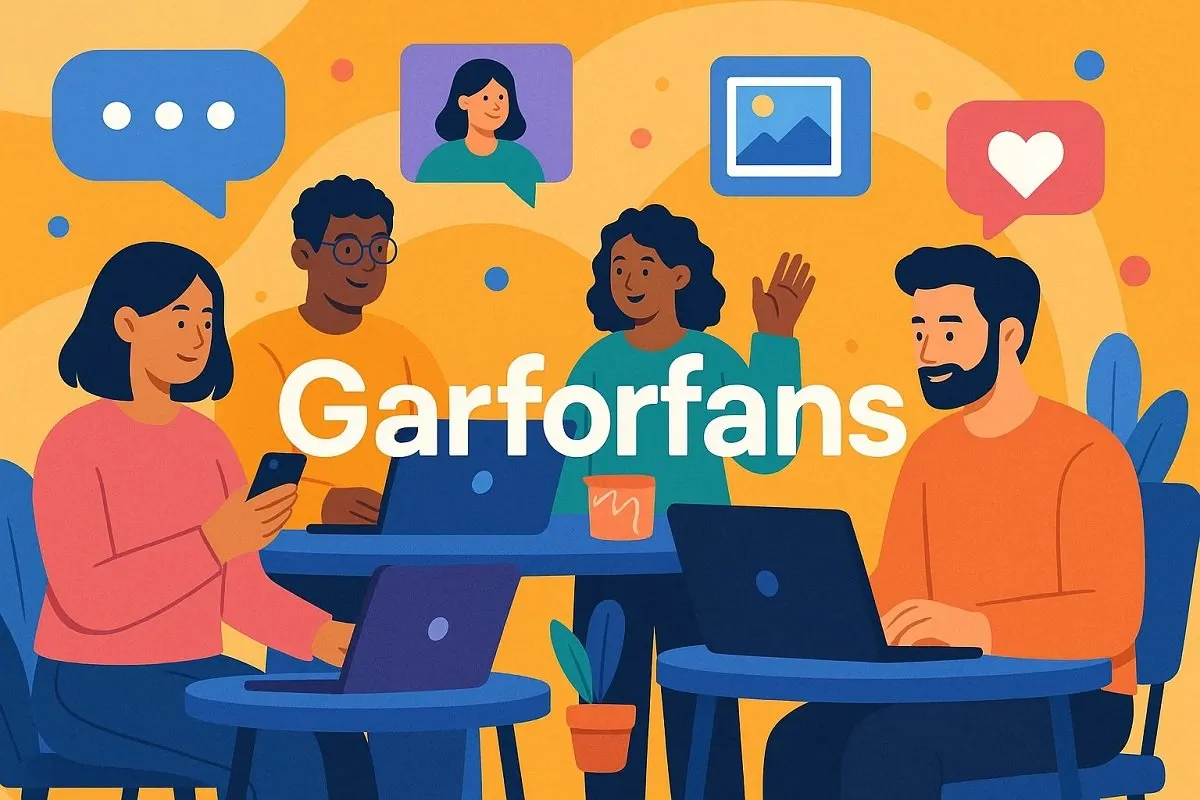
In today’s digital economy, attention is currency and community is leverage. Founders no longer build products in isolation; they build ecosystems. Against this backdrop, garforfans emerges as a compelling concept—one that reframes how startups, creators, and technology platforms approach fan engagement. Rather than treating audiences as passive consumers, garforfans represents a structured, intentional model for cultivating loyal, value-driven digital communities.
The shift is subtle but powerful. Traditional marketing pushes messages outward. Garforfans pulls people inward. It is less about impressions and more about immersion. For startup founders and tech leaders navigating competitive digital landscapes, this distinction is no longer optional—it is strategic.
Understanding Garforfans in a Startup Context
Garforfans is best understood as a hybrid strategy that merges community-building, creator economics, and platform thinking. It operates on the premise that fans—whether users, customers, or followers—are not merely revenue sources. They are collaborators, evangelists, and long-term stakeholders.
The rise of the creator economy accelerated this thinking. Platforms such as Patreon and Substack demonstrated that audiences are willing to directly support creators when value exchange feels authentic. But while these platforms empower individuals, garforfans expands the principle to companies.
For startups, this means designing products and experiences that make users feel like insiders rather than end-users. Early adopters become product advisors. Power users become ambassadors. Feedback loops become part of the brand narrative.
Garforfans is not a feature—it is a philosophy embedded in growth strategy.
The Evolution From Audience to Community
Digital platforms once optimized for reach. Social networks rewarded scale, algorithms amplified virality, and advertising models prioritized volume. But as markets matured, customer acquisition costs soared. Brands realized that sustainable growth depends less on reach and more on retention.
Companies like Discord quietly reshaped community infrastructure. What began as a tool for gamers evolved into a backbone for startup communities, NFT collectives, and SaaS user groups. The lesson is clear: infrastructure matters, but intentional culture matters more.
Garforfans builds on this evolution. Instead of simply launching a Slack group or Discord server, founders define why the community exists. Is it for co-creation? For education? For shared identity? Without purpose, community spaces decay into noise.
For tech professionals, the strategic insight is this: community is not a marketing channel. It is an operating system.
Garforfans as a Growth Engine
Startup growth traditionally follows predictable playbooks—performance ads, SEO, outbound sales. While effective, these tactics are increasingly expensive and competitive. Garforfans introduces a parallel growth engine powered by advocacy.
Consider how Tesla, Inc. cultivated a fiercely loyal customer base without relying heavily on traditional advertising. Customers became evangelists, generating organic content and word-of-mouth momentum. Although Tesla operates at massive scale, the principle applies to startups: loyalty reduces acquisition friction.
Garforfans operationalizes this idea by formalizing engagement pathways. Instead of hoping customers spread the word, startups design systems that encourage participation. Beta access programs, ambassador initiatives, gamified contribution models, and transparent product roadmaps all reinforce belonging.
When users feel invested, churn decreases. Lifetime value rises. Support costs decline because community members often help each other.
For founders, this means thinking beyond conversion funnels and toward relationship architectures.
Designing a Garforfans Strategy
Effective implementation begins with clarity. What does your audience truly value? Access? Recognition? Influence? Financial incentives? The answer varies by industry.
A developer tools startup might emphasize open-source collaboration and technical transparency. A consumer wellness app might prioritize shared accountability and peer motivation. The framework remains consistent: engagement must be mutually beneficial.
Below is a simplified comparison of traditional growth versus a garforfans-oriented approach:
| Growth Element | Traditional Model | Garforfans Model |
| Customer Acquisition | Paid ads, outbound campaigns | Community referrals, ambassador programs |
| Feedback Collection | Surveys, support tickets | Open forums, live Q&A sessions |
| Product Roadmap Visibility | Internal decision-making | Transparent, community-informed planning |
| Brand Advocacy | Influencer partnerships | Loyal user evangelism |
| Retention Strategy | Discounts, promotions | Identity-driven belonging and recognition |
This table highlights a shift in orientation. Traditional growth pushes value outward. Garforfans invites users inward.
Technology Infrastructure Behind Garforfans
No community strategy thrives without technological support. CRM systems, analytics dashboards, and engagement platforms provide visibility into behavior patterns. However, technology must enable—not replace—authentic interaction.
Companies like HubSpot integrate marketing automation with customer relationship tools, enabling personalized engagement at scale. Meanwhile, platforms such as Notion have cultivated passionate user bases by sharing templates, encouraging community showcases, and amplifying user-generated content.
The underlying lesson is intentional transparency. When companies publicly acknowledge contributors or incorporate user suggestions into product updates, trust deepens.
Garforfans thrives on trust capital.
Monetization Without Exploitation
One of the most delicate aspects of garforfans is monetization. Communities sense opportunism quickly. Over-commercialization erodes authenticity.
Sustainable monetization aligns incentives. Subscription tiers with meaningful perks, early access programs, and co-branded merchandise can strengthen identity without alienating members.
The success of platforms like Kickstarter illustrates this principle. Backers are not simply customers—they are participants in a shared mission. Financial contribution becomes symbolic support.
For startups, the takeaway is nuanced: revenue strategies should reinforce belonging, not undermine it.
Leadership Mindset in a Garforfans Model
Adopting garforfans requires cultural maturity. Founders must relinquish some control. Public roadmaps invite scrutiny. Open communities invite criticism. Transparency demands confidence.
Leaders like Satya Nadella revitalized organizational culture by emphasizing empathy and collaboration. While Microsoft operates at enterprise scale, the leadership lesson resonates: community-first thinking begins internally.
In a garforfans model, employees often participate directly in community conversations. Engineers answer questions. Designers solicit feedback. Founders host live discussions. This visibility humanizes the brand.
For startups in emerging markets such as Pakistan, where digital ecosystems are expanding rapidly, this approach can differentiate local brands from impersonal global competitors.
Risks and Missteps
Garforfans is not immune to failure. Superficial community-building—launching forums without engagement strategy—creates ghost towns. Overpromising transparency without follow-through damages credibility. Incentivizing participation purely through rewards can distort authenticity.
Another risk is scale. What works for 1,000 members may not translate seamlessly to 100,000. Moderation frameworks, governance policies, and cultural guidelines become essential as communities grow.
The most successful implementations treat community as infrastructure, not campaign.
Why Garforfans Matters Now
We are entering an era where trust is scarce and algorithms are volatile. Platform dependency creates vulnerability. Startups that rely exclusively on third-party channels risk losing visibility overnight due to policy changes or algorithm updates.
Garforfans offers insulation. Direct relationships with users reduce reliance on intermediaries. Email lists, private communities, and owned platforms provide stability amid digital unpredictability.
Moreover, Gen Z and younger millennial audiences increasingly prioritize belonging over brand prestige. They engage with brands that reflect identity and values. Garforfans aligns naturally with this behavioral shift.
In a saturated marketplace, community depth often outperforms marketing breadth.
The Future of Garforfans in Tech Ecosystems
Looking ahead, emerging technologies will amplify community potential. Web3 governance models experiment with decentralized ownership. AI-driven analytics enable hyper-personalized engagement. Hybrid physical-digital experiences blur the boundary between online and offline communities.
Yet technology alone will not define success. The differentiator will remain authenticity.
Startups that integrate garforfans into their DNA—from onboarding flows to product design—will cultivate resilience. Their users will not simply transact; they will advocate.
And advocacy compounds.
Conclusion: Building With Fans, Not Just For Them
Garforfans is more than a growth tactic. It is a strategic philosophy for the modern digital economy. By prioritizing belonging, transparency, and mutual value exchange, startups transform users into collaborators.
For founders and tech leaders, the message is clear: sustainable growth emerges from genuine connection. Build with your fans, not just for them. Empower them to shape your evolution. In doing so, you create not only customers—but community.
In a world crowded with products, community becomes the ultimate competitive advantage. Garforfans simply gives that advantage a name.